
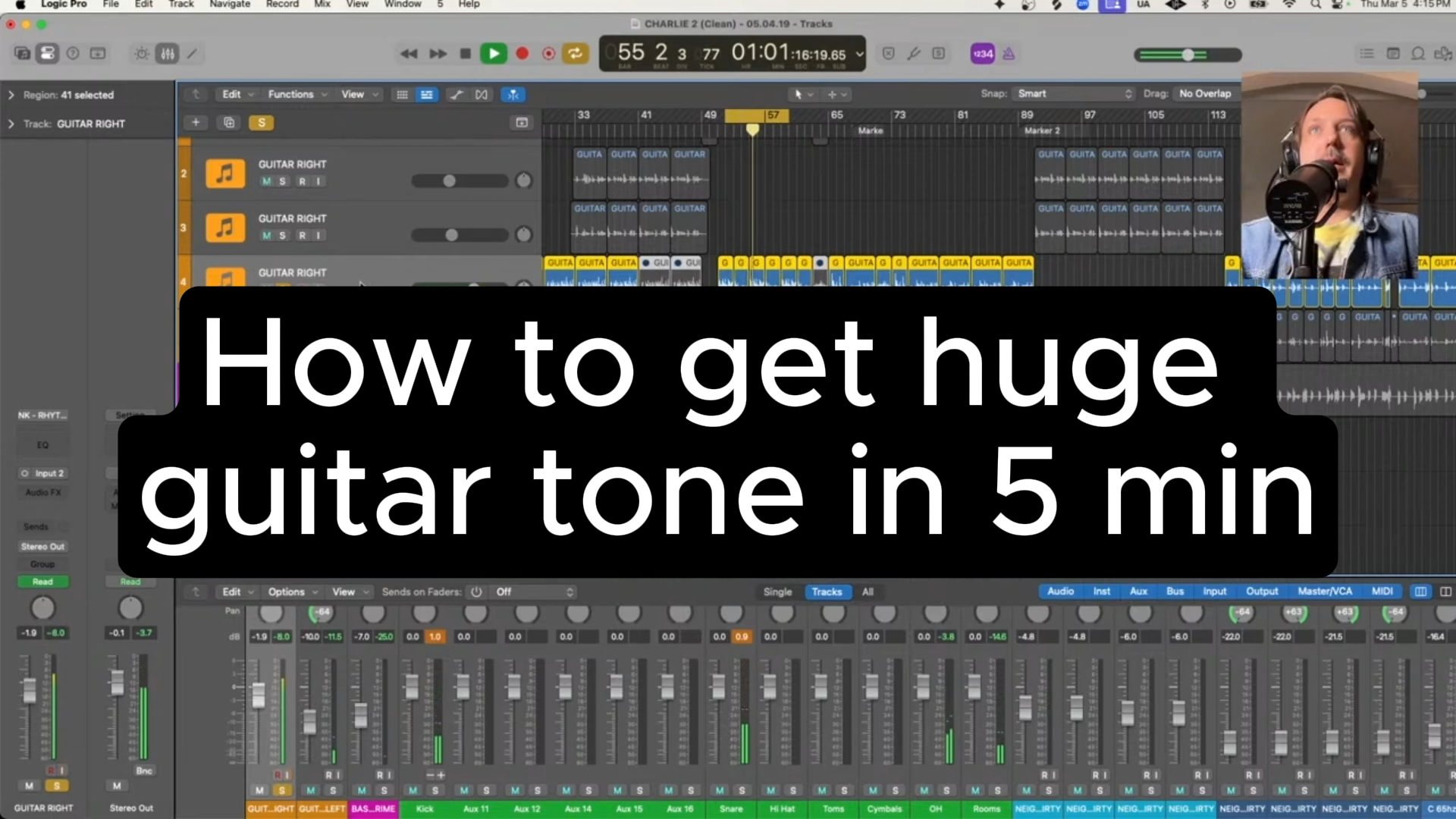
Fixing a Muddy Mix, Fast
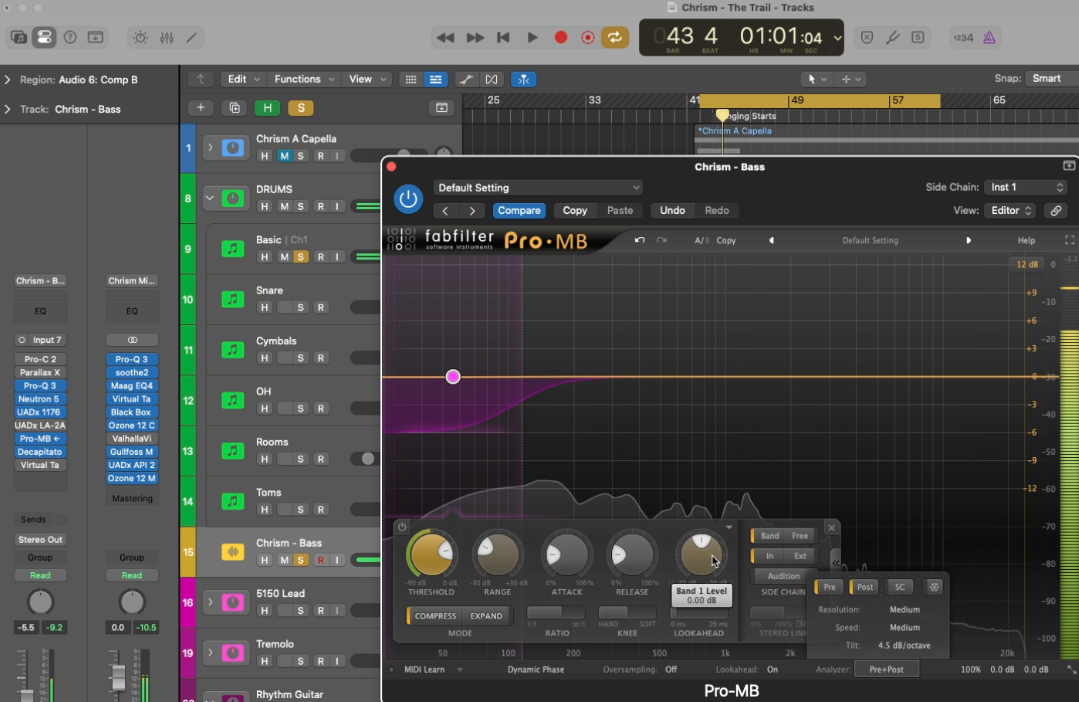
Muddiness usually has the same root cause: too many instruments competing for the same frequencies between 100Hz and 400Hz.
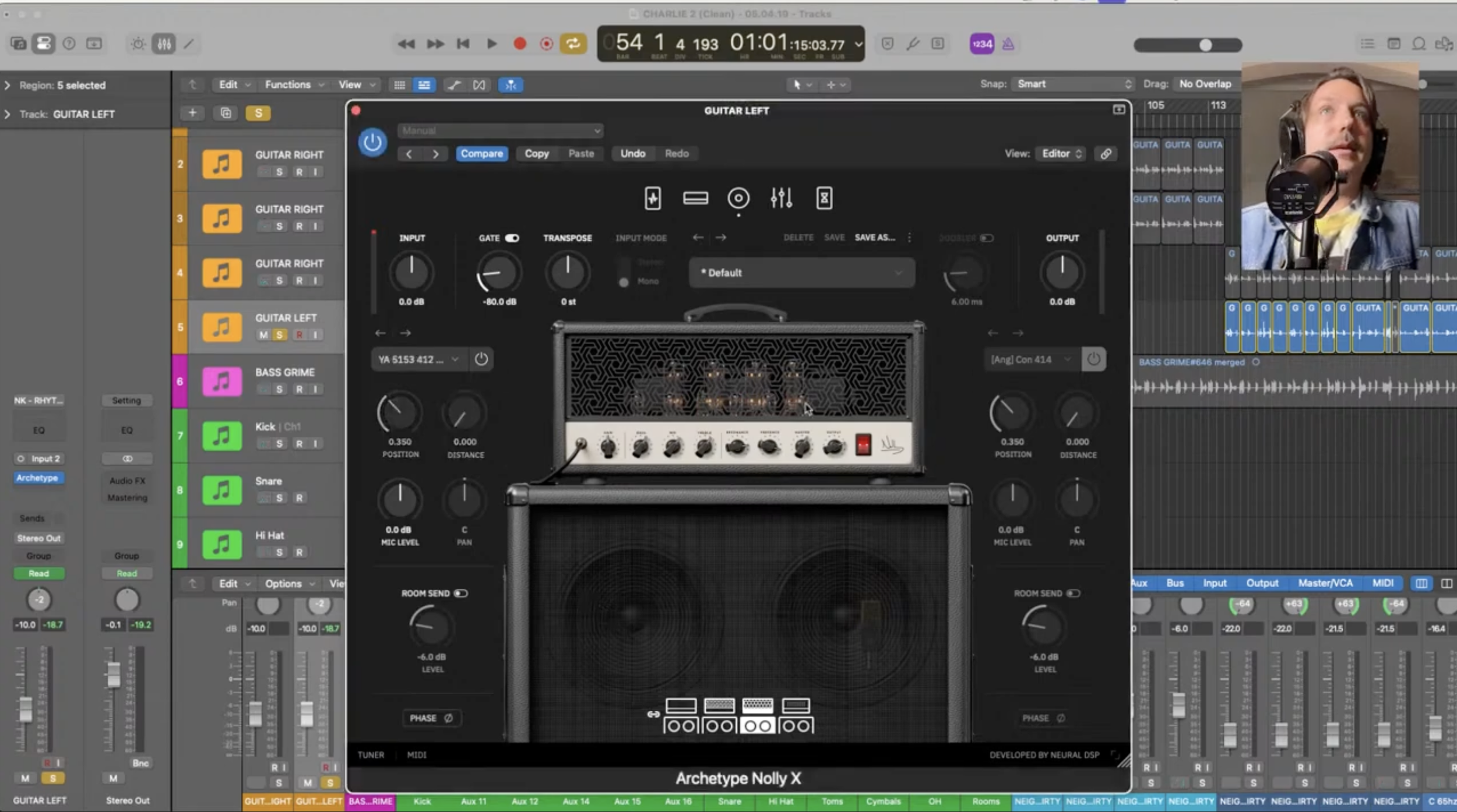
Video: Mixing a metal song from start to finish
As we prepare for the studio to open in the coming weeks, we’re ramping up by doing some remote mixing sessions.
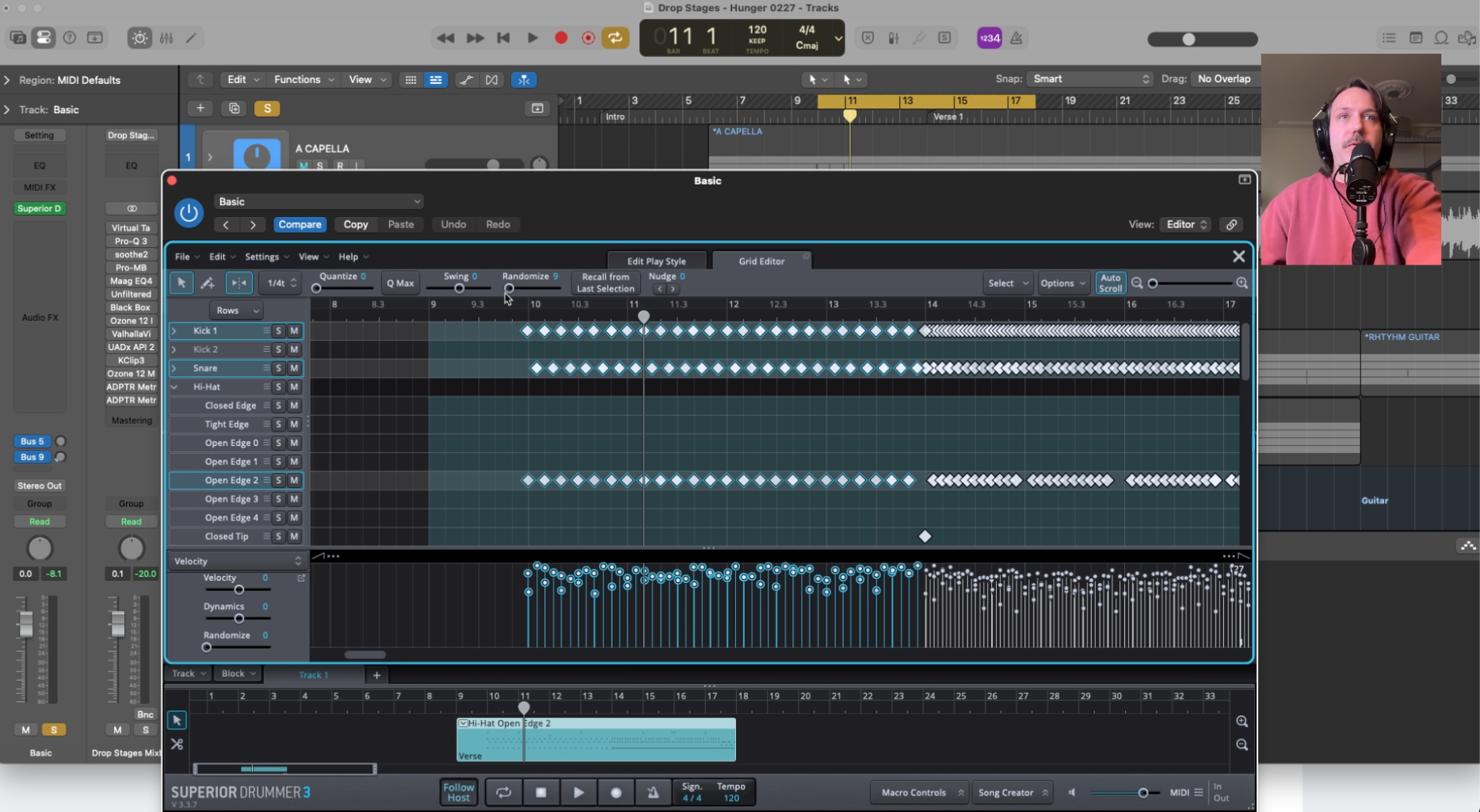
How to Make MIDI Drums Sound Real
Most bedroom producers are one workflow change away from drums that sound like they were recorded live.
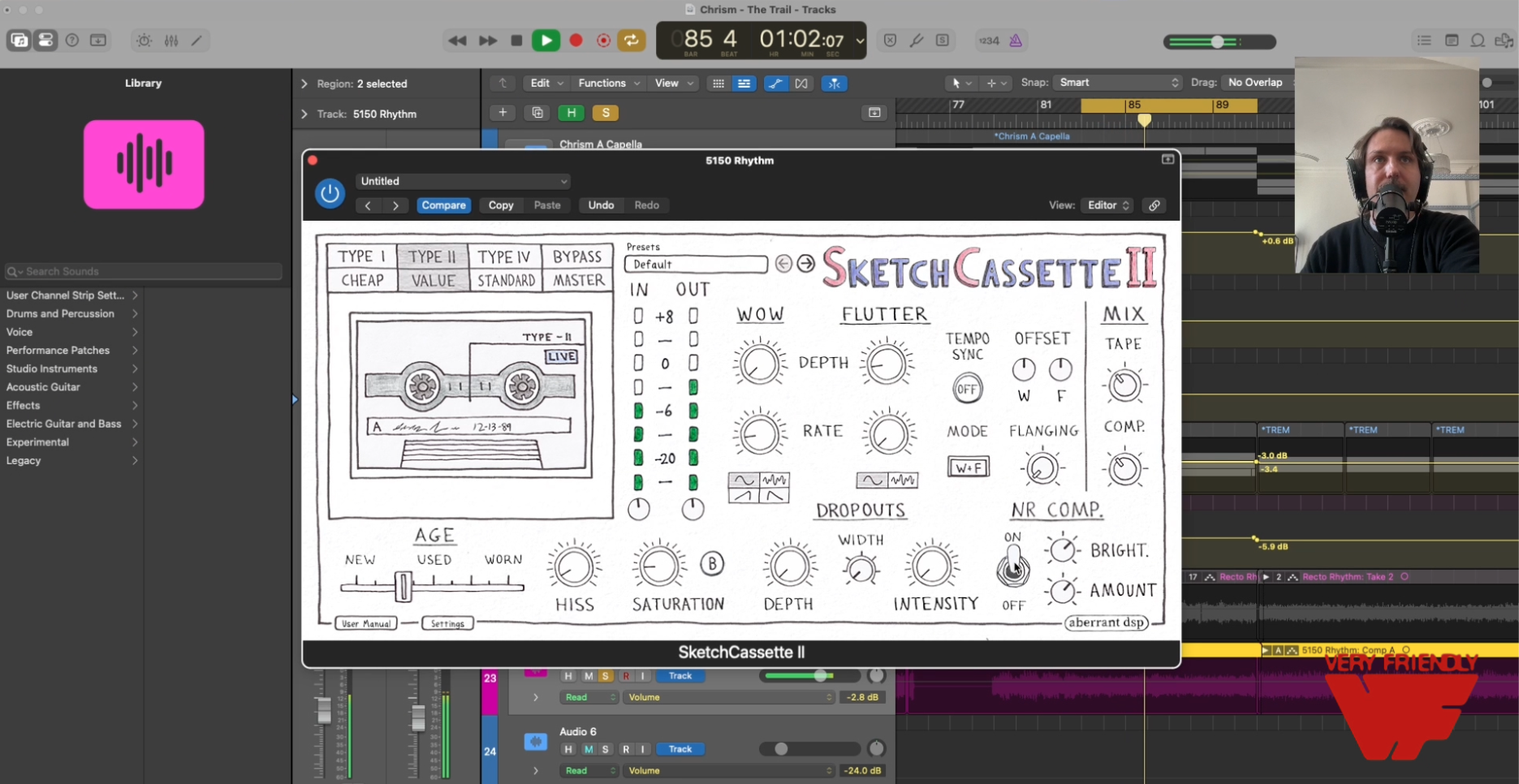
My single favorite plugin: tape saturation
Tape saturation adds harmonic content, softens transients, and glues frequencies together in a way that EQ and compression simply cannot replicate.
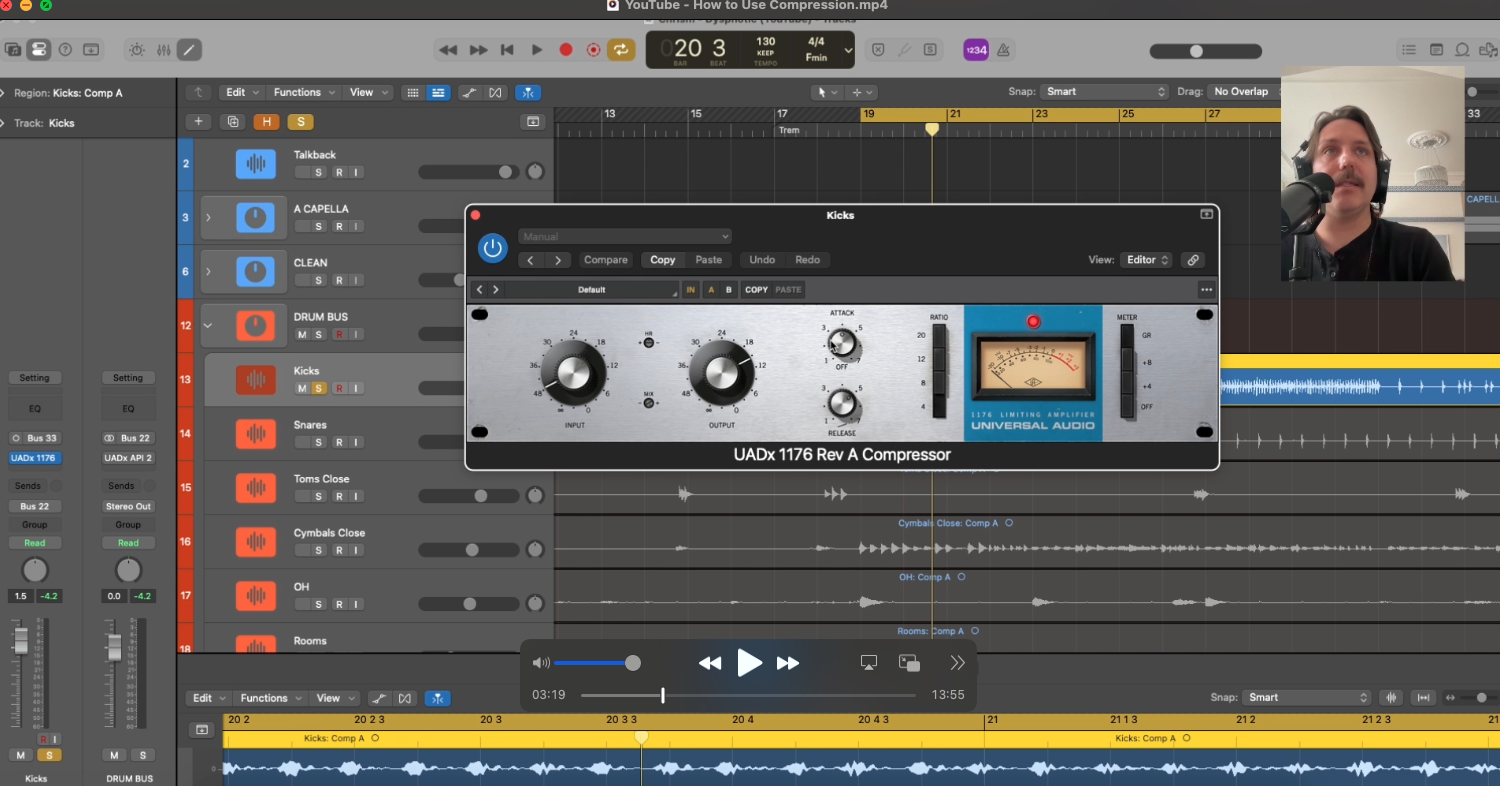
How to Actually Use Compression (Without Killing Your Mix)
Compression doesn't just make things louder. It makes loud things quieter, which gives you more headroom to turn the whole thing up.
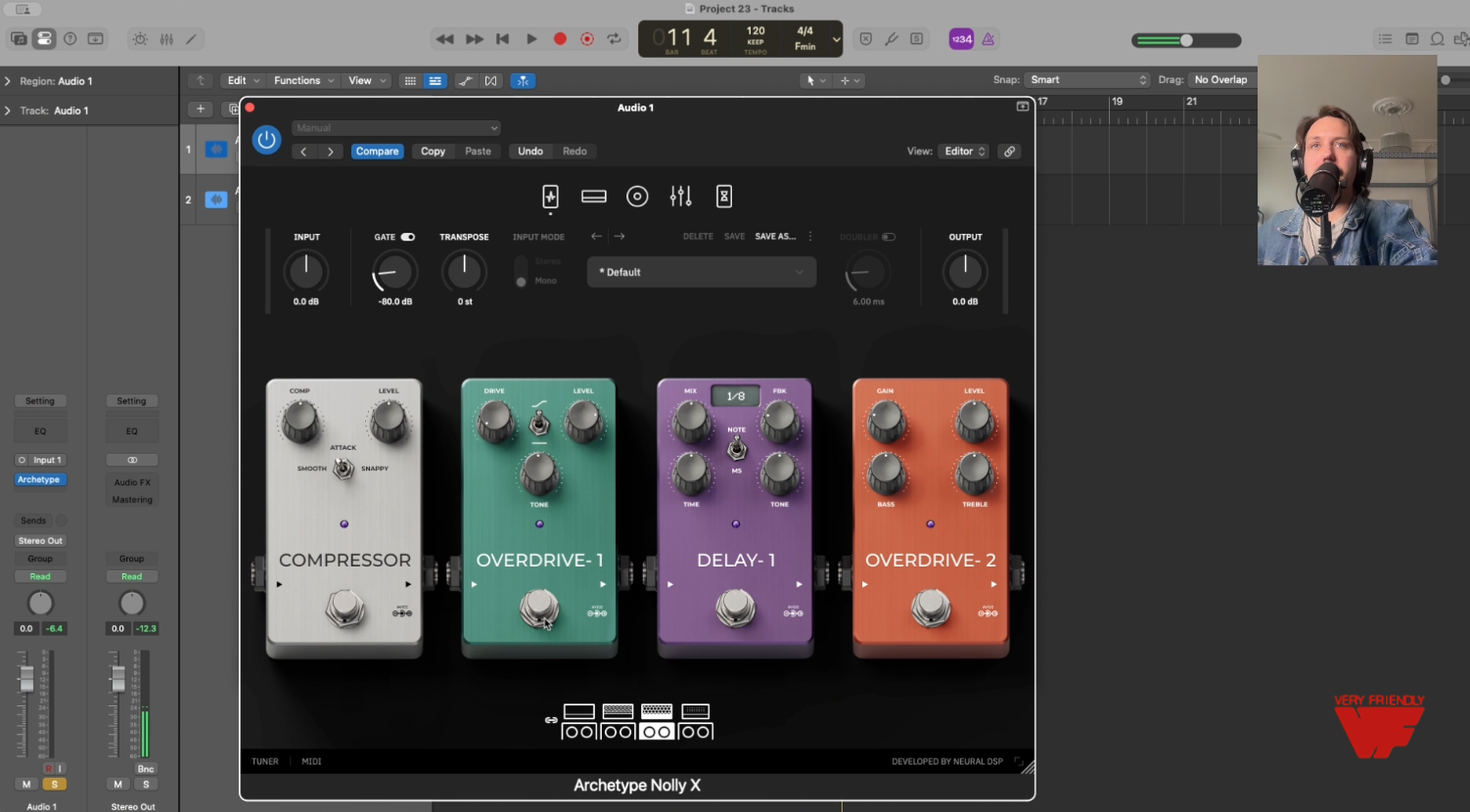
BASICS: How to dial in overdrive
The sound of an overdrive pedal into a high-gain amp is behind most of my favorite metal albums, but it’s actually quite easy to get it wrong.
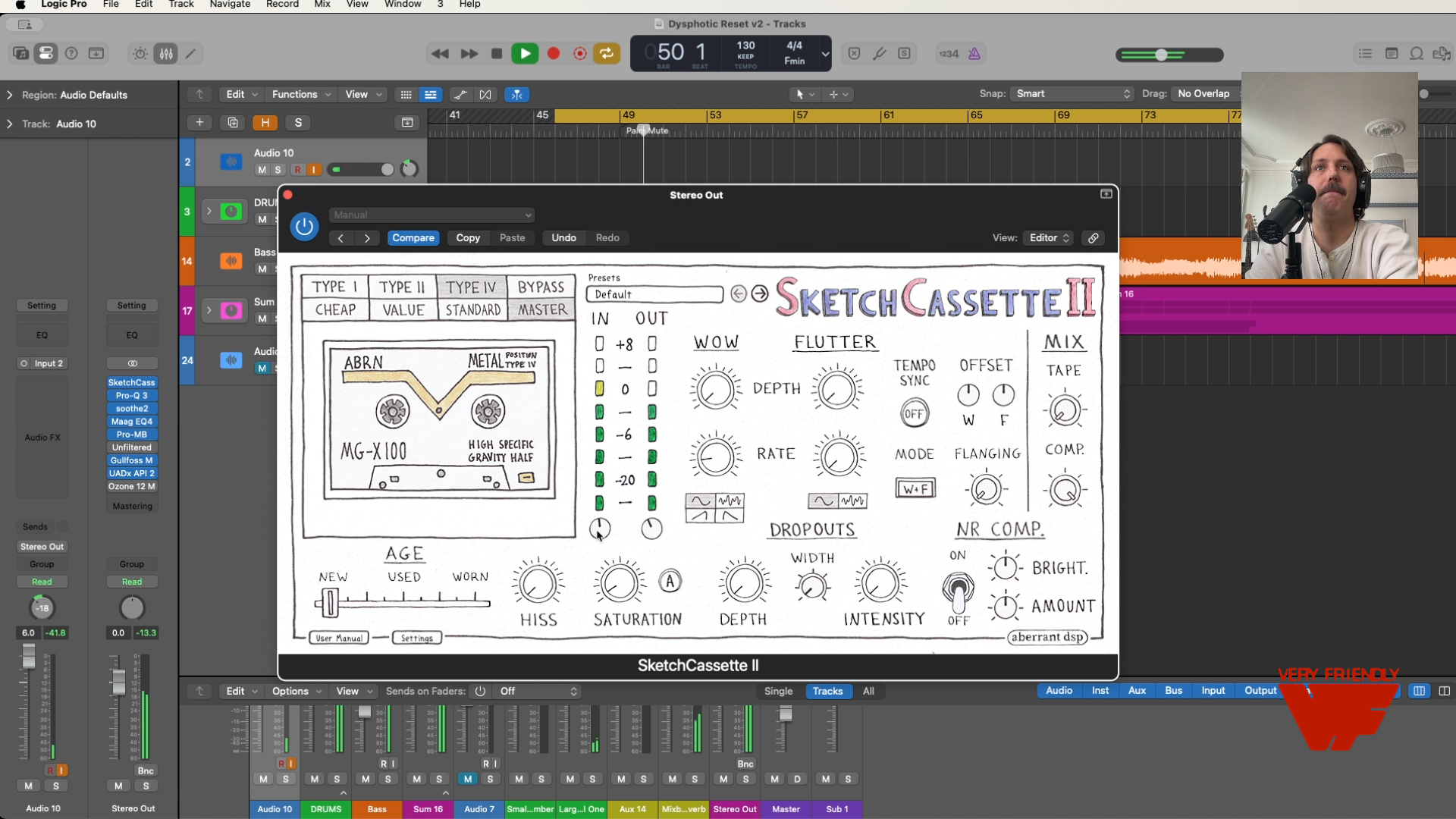
Mix Bus Processing: Make your demos sound professional
You’ll realize pretty quick into your audio engineering journey that, as much as we wish there was, there is no magic plugin that fixes issues in your mix.
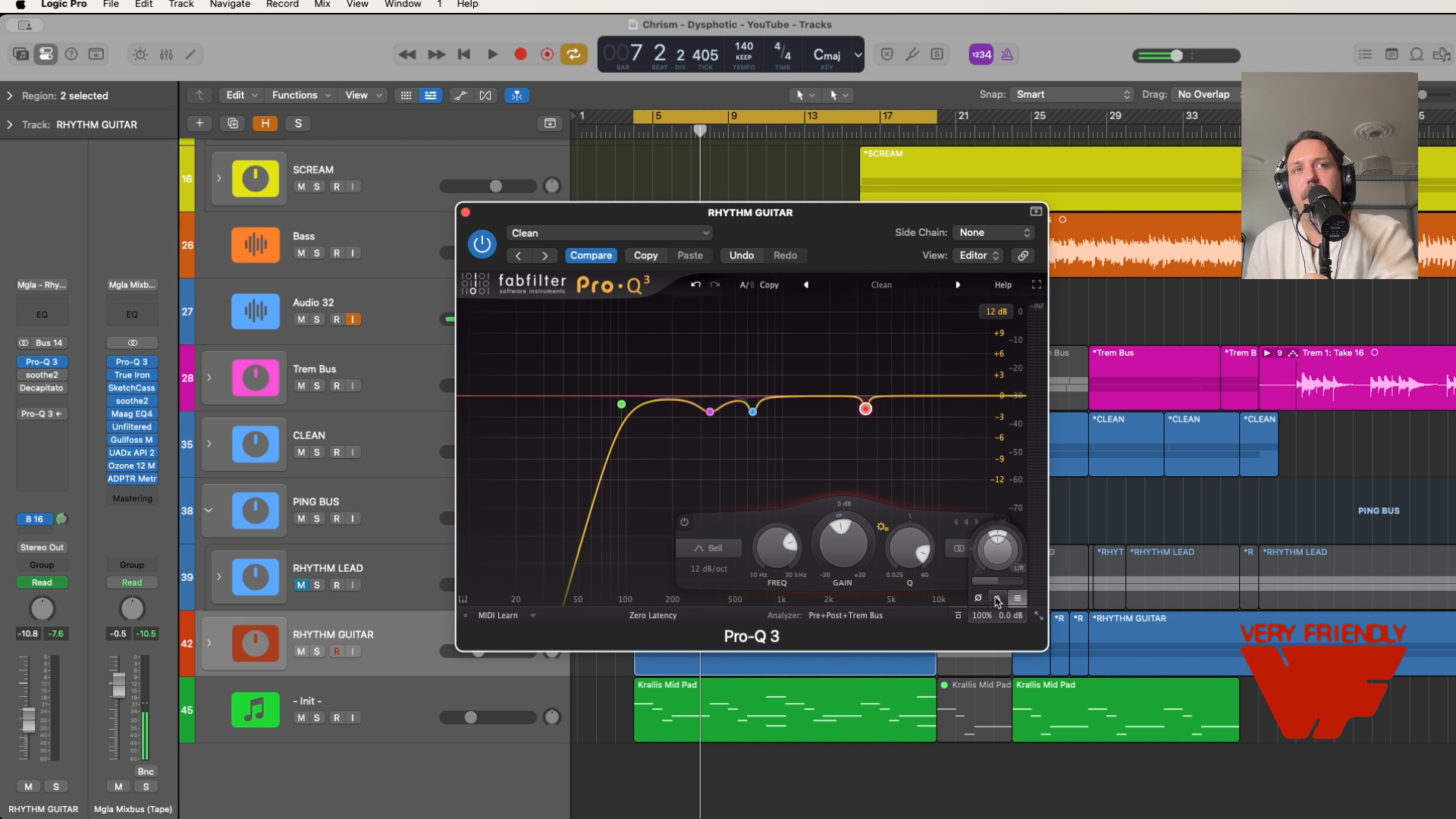
DI Guitars that Sound Like They Were Recorded Live
It’s really remarkable how far amp sims and impulse responses have come in terms of their ability to recreate a live recording studio sound on a laptop.
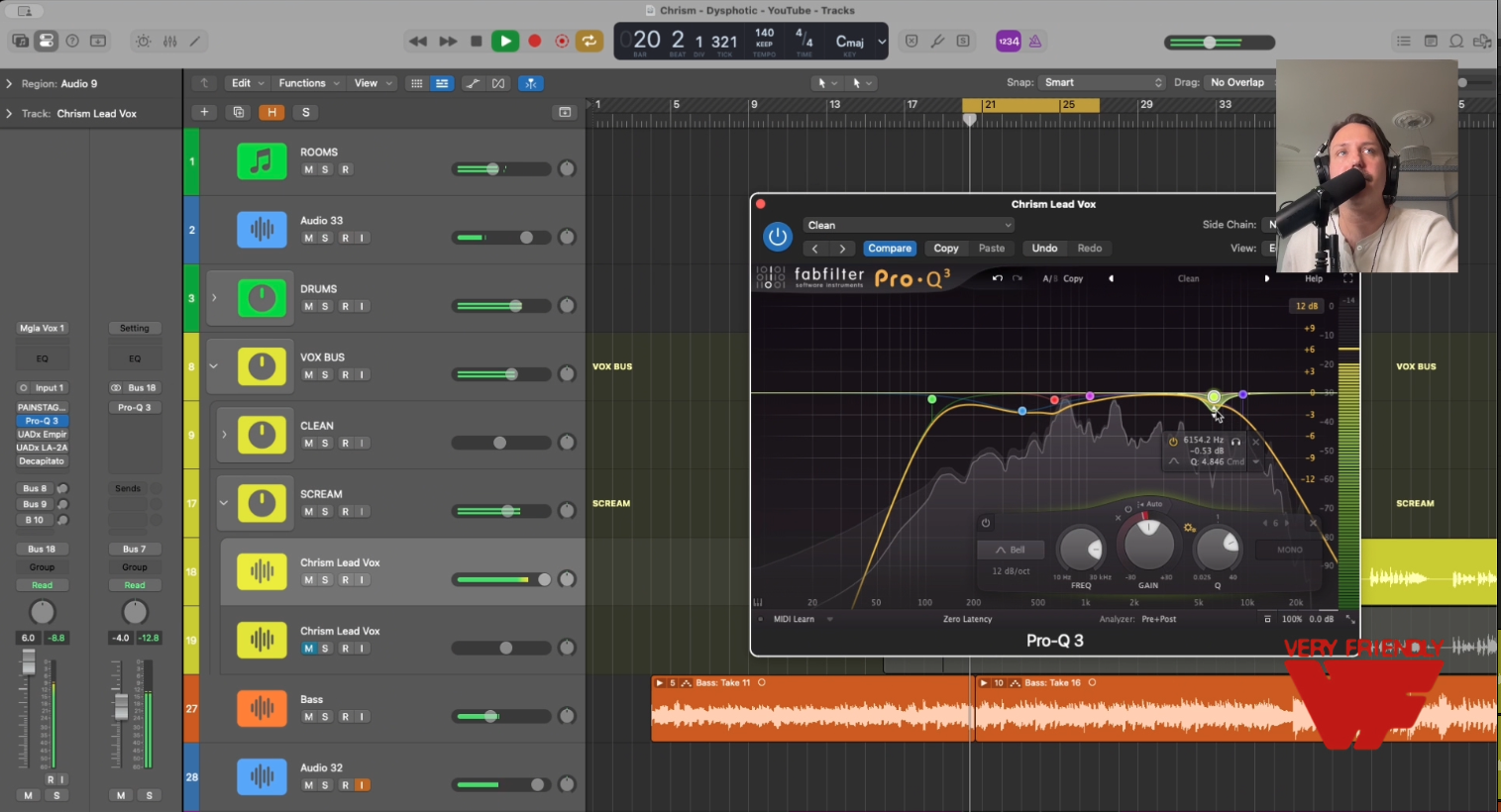
Mixing Metal Vocals with ONLY PLUGINS
Screamed metal vocals are tough to nail because they occupy the same frequency range as your guitars, bass, snare, cymbals, pads, and pretty much everything else.
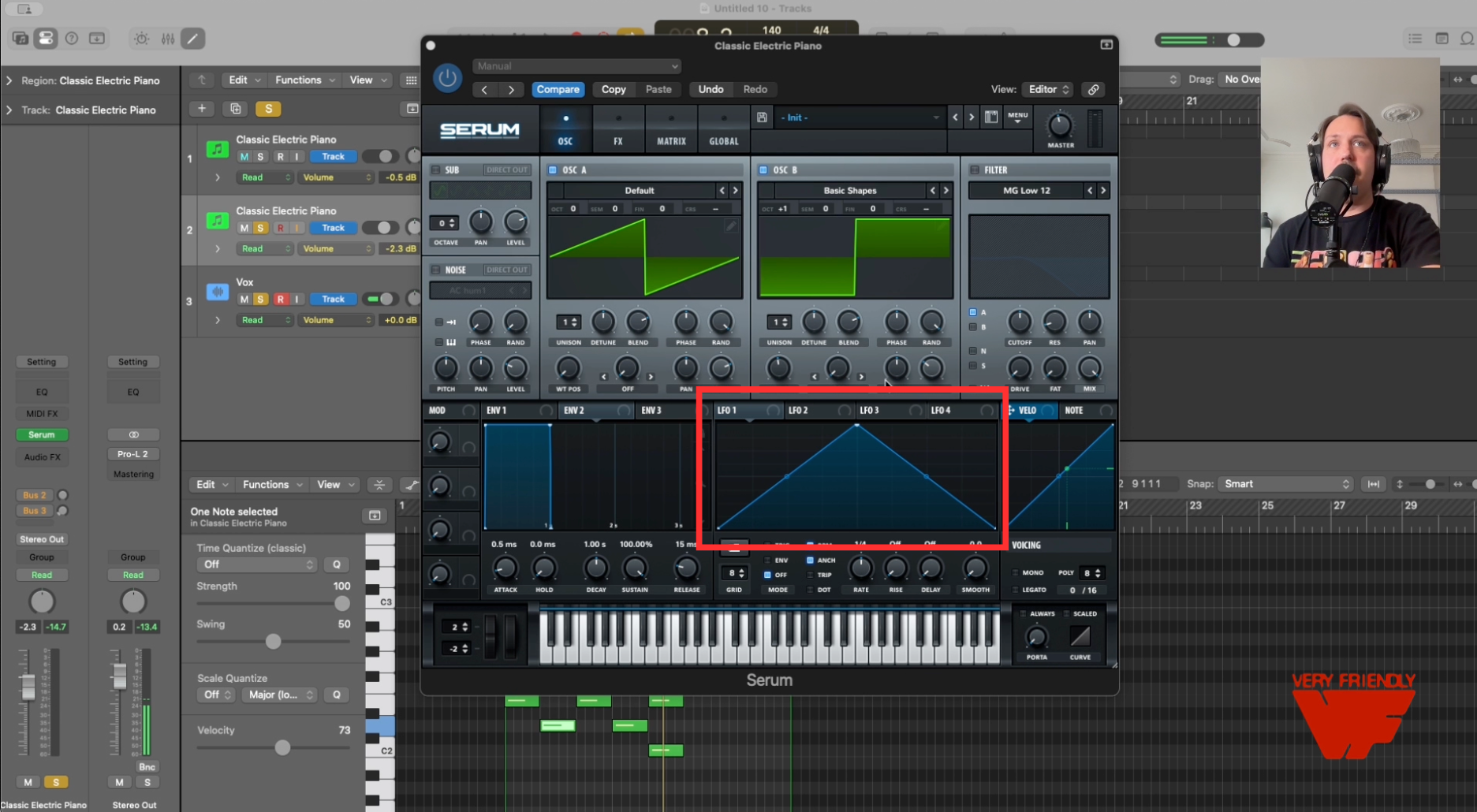
How to Make Serum Sound Analog: Minimoog Bass & Juno Pads from Scratch
Software can't perfectly replicate a real Minimoog or Juno-106. Analog circuits have quirks — thermal drift, component tolerances, happy accidents — that algorithms can approximate but not duplicate.