
Mix bass like a pro with perfect separation
The low end is really hard to nail. Kick drum, bass guitar, and low-tuned rhythm guitars are all competing for the same frequencies below 200Hz, and when none of them move out of the way, the result is a muddy, undefined song that isn’t fun to listen to.
The challenge is to balance clarity and separation with cohesion, without creating a muddy mess. Here are four techniques that fix it.
1. Complementary EQ
EQ kick and bass as a pair, not as individuals. If the fundamental frequency for the kick lives around 60–80Hz, carve a gentle notch in the bass at those same frequencies so the kick has room to breathe; and vice versa, boost the bass slightly in a range where the kick is thin, usually around 80–150Hz. The goal is a combined frequency picture where both instruments occupy different real estate but together fill the entire low-end spectrum.
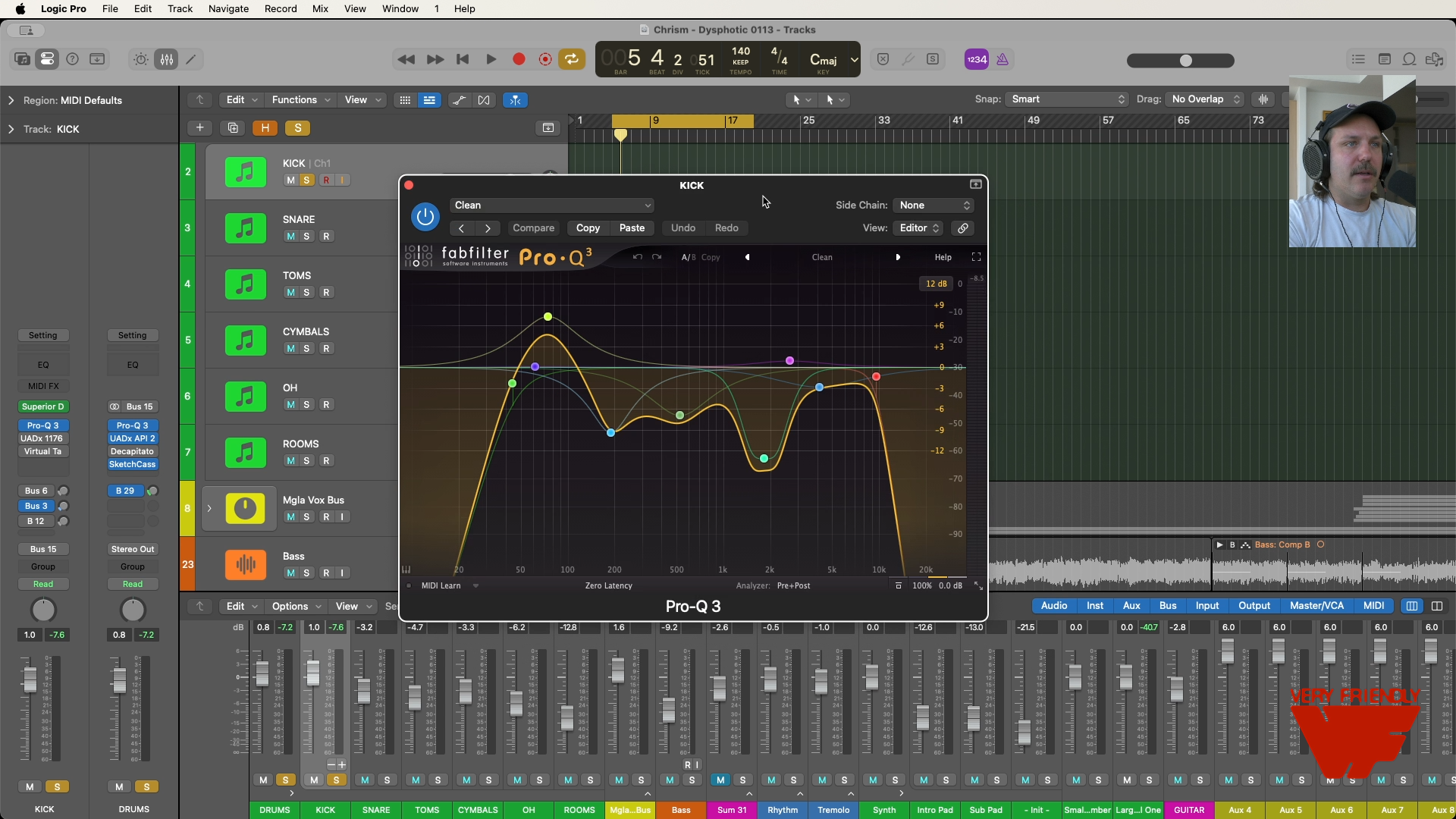
Apply the same concept to sub bass pads and rhythm guitars if you have low end information there as well.
2. Sidechain Compression
Complementary EQ creates static space. Sidechain compression creates dynamic space, which is more powerful because it responds to what's actually happening in real time. Route the kick drum as a sidechain trigger on your bass track's compressor.
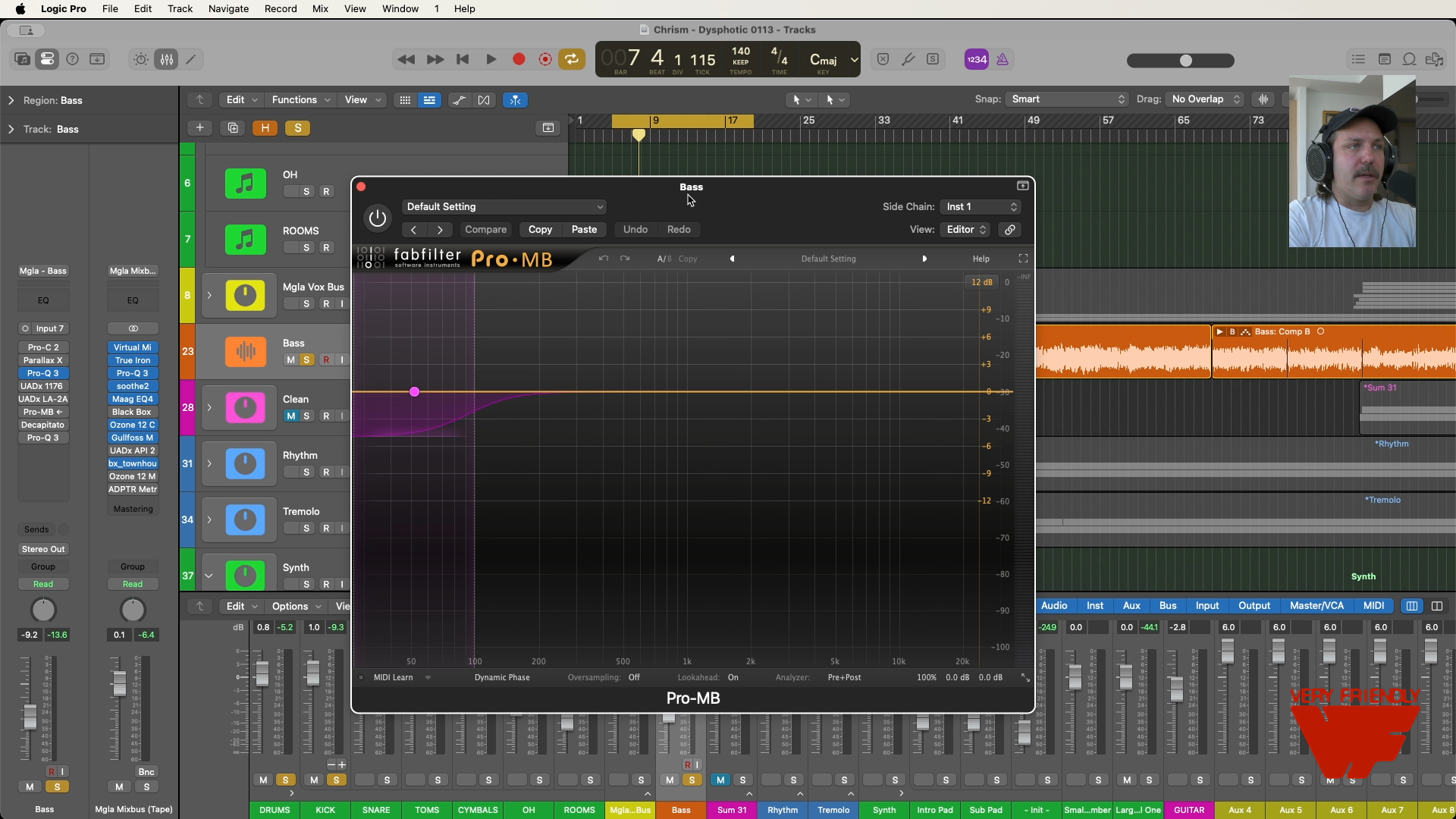
When the kick hits, the bass ducks slightly and then recovers. Set a fast attack (5–15ms) and a medium release (50–100ms) that breathes with the tempo, and aim for just 3–5dB of gain reduction so the ducking feels musical rather than obvious. This is the technique that makes a kick drum feel like it physically displaces the bass; the low end opens up and both instruments become audible at the same time.
3. Bus Compression
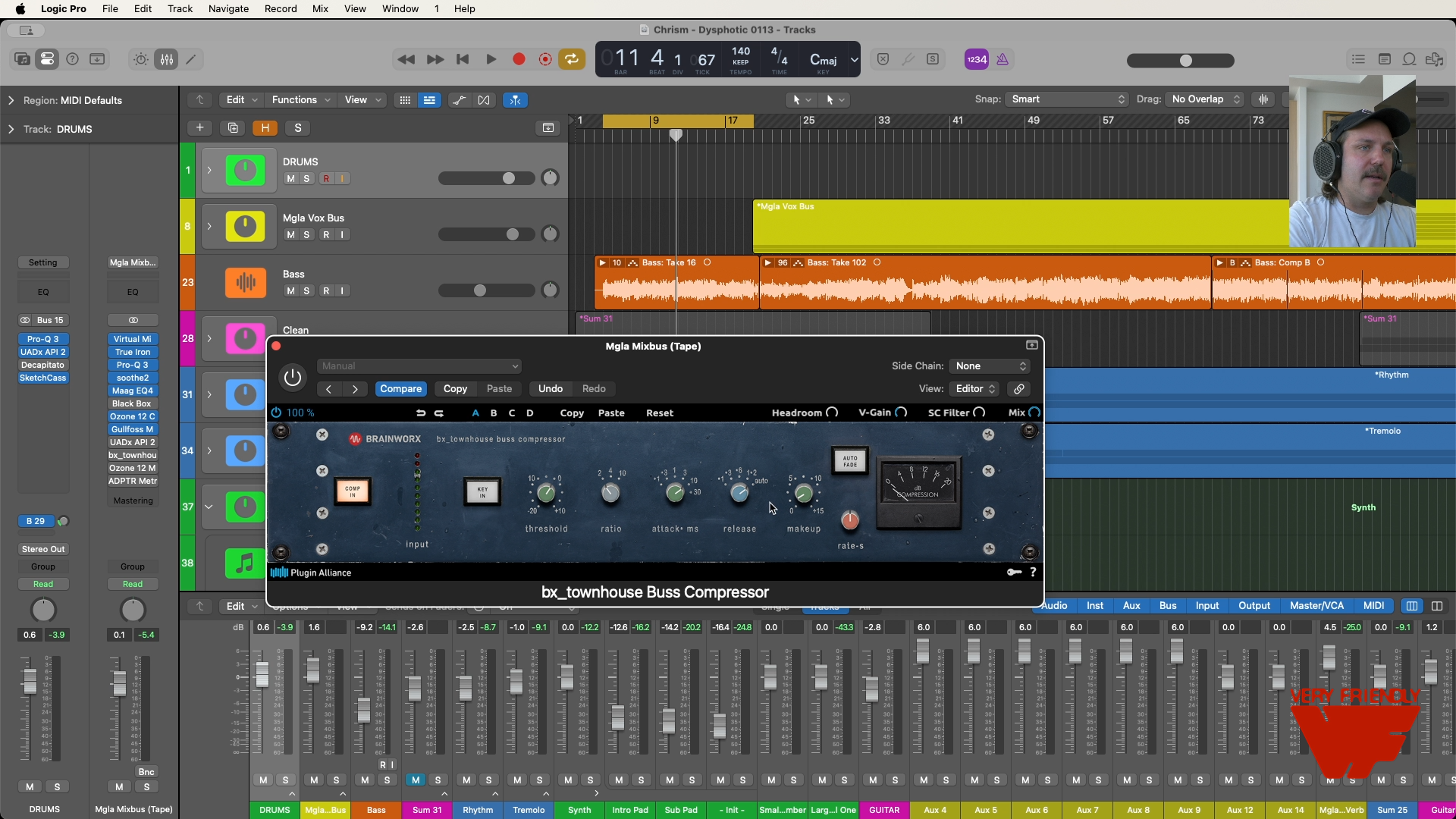
Once your kick and bass are EQ'd and sidechained, route them together to a dedicated low-end bus and add gentle glue compression. A slow attack (around 30–50ms) lets the initial transients of the kick and bass pass through untouched - that's the punch you want to preserve - while the compression catches the sustain and locks the two elements together dynamically. Keep gain reduction at 2–4dB and use a high ratio (4:1 or higher) for control without squashing. The result is a low end that feels like one cohesive instrument rather than two separate elements that happen to be playing at the same time.
4. Saturation
Saturation is the most overlooked low-end tool, and the one that does the most work on bass-heavy mixes. When you add gentle harmonic saturation to your bass bus, the distortion creates upper harmonics — overtones that shift the perceived energy of the bass upward in frequency. This means the bass becomes audible on small speakers and earbuds that can't physically reproduce sub frequencies, without you having to cut any low end or reduce the actual level.
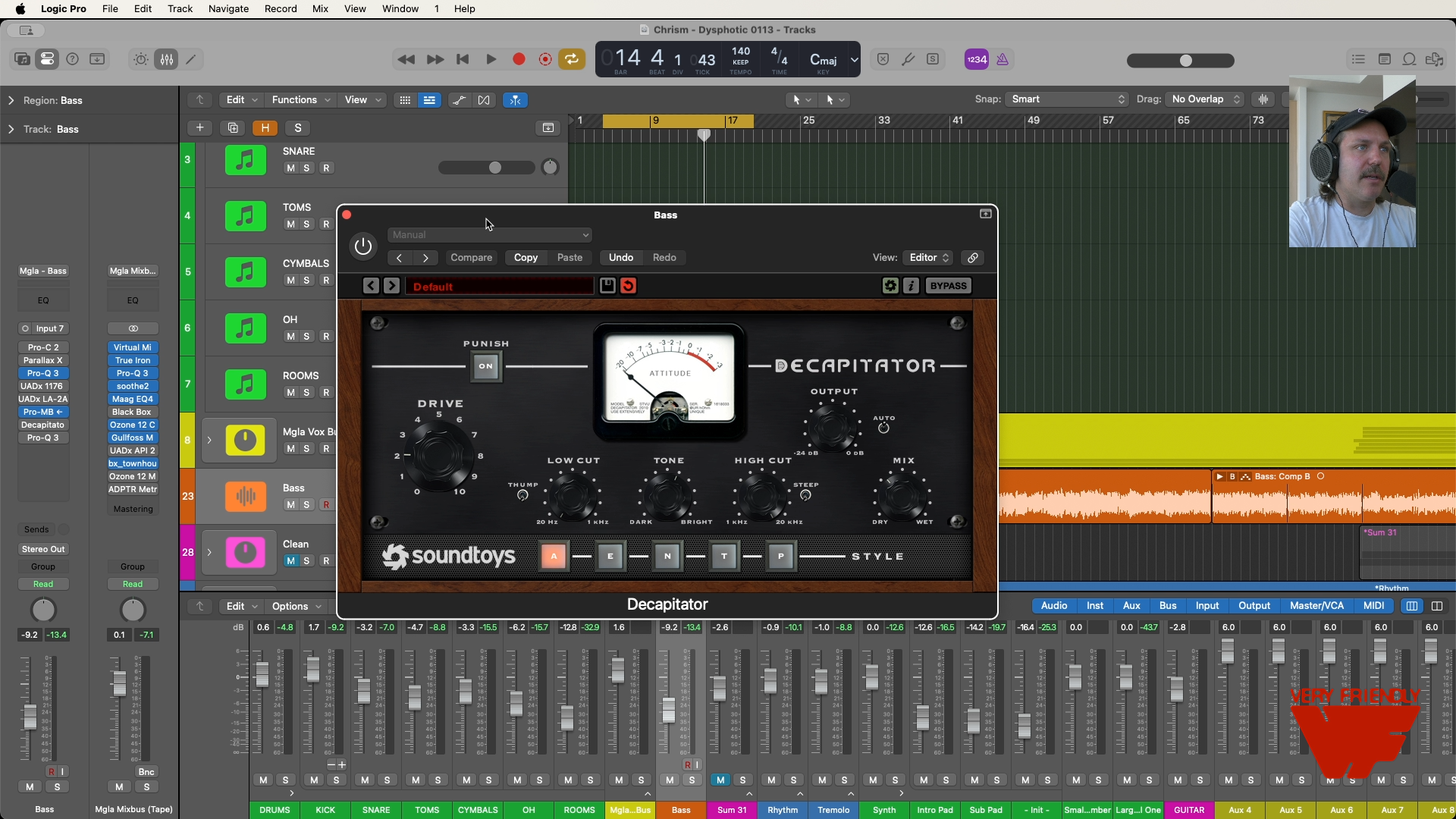
A touch of tape saturation or tube saturation on the bass bus - 1–3% wet is plenty - adds warmth, definition, and translation without changing the character of the sound.
Low-end clarity isn't about cutting things out; it's about creating a system where every element has a defined role and the tools respond to each other dynamically. Complementary EQ sets the static lanes, sidechain compression keeps them clear in real time, bus compression locks them together, and saturation makes the whole thing translate. Do all four and the low end stops being the worst part of your mix and starts being the best.